This post may contain affiliate links. Please read our policy page.
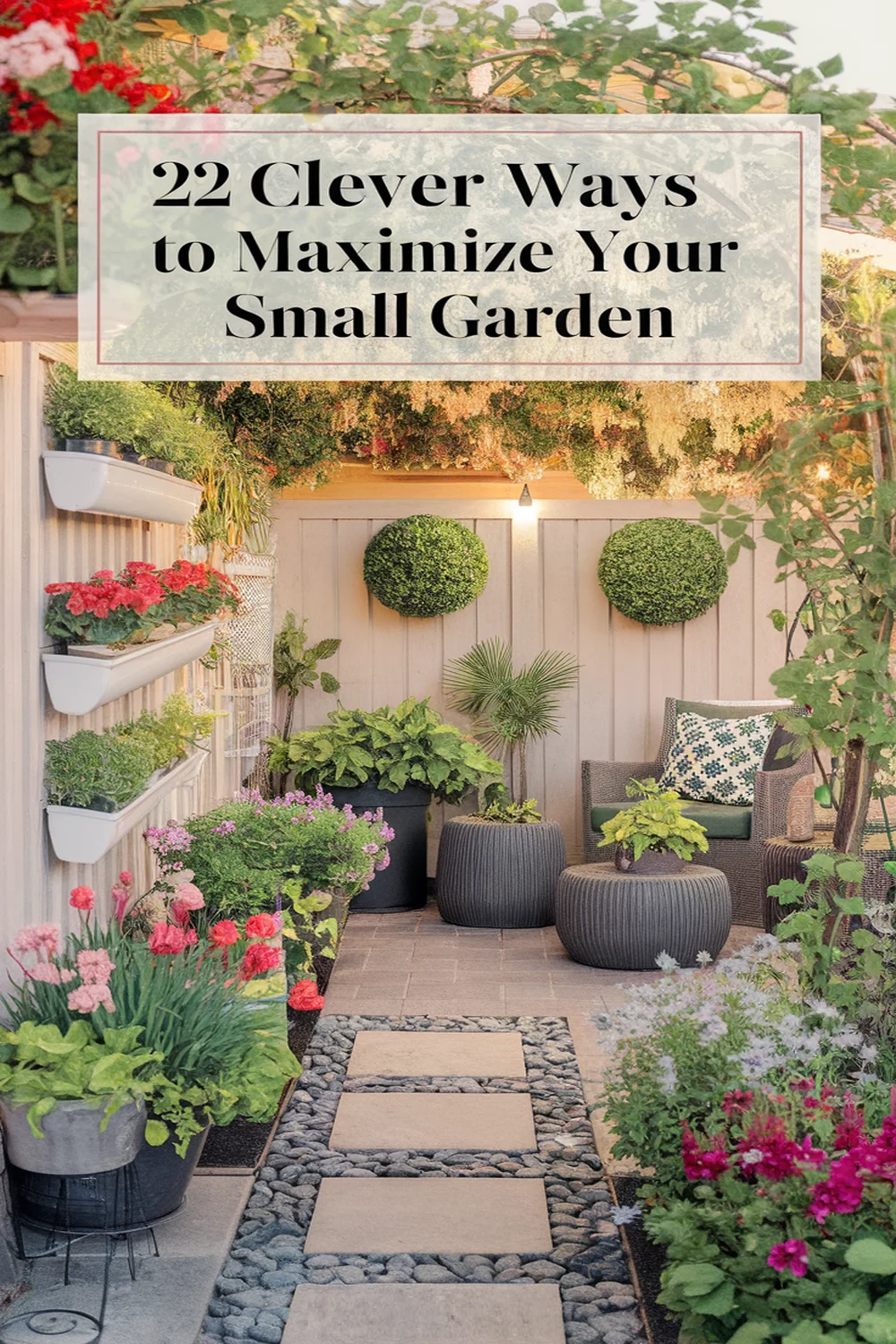
To maximize your small garden, try vertical gardening techniques with trellises and hanging planters to save ground space. Opt for container gardening and raised beds for efficient planting, and integrate companion planting to boost growth and deter pests. Use climbing plants to add height and aesthetics, while creating a cozy outdoor living space. Consider building a compost bin for soil enrichment and plan for seasonal changes to maintain productivity. Discover even more clever strategies to enhance your garden’s potential.
Vertical Gardening Techniques
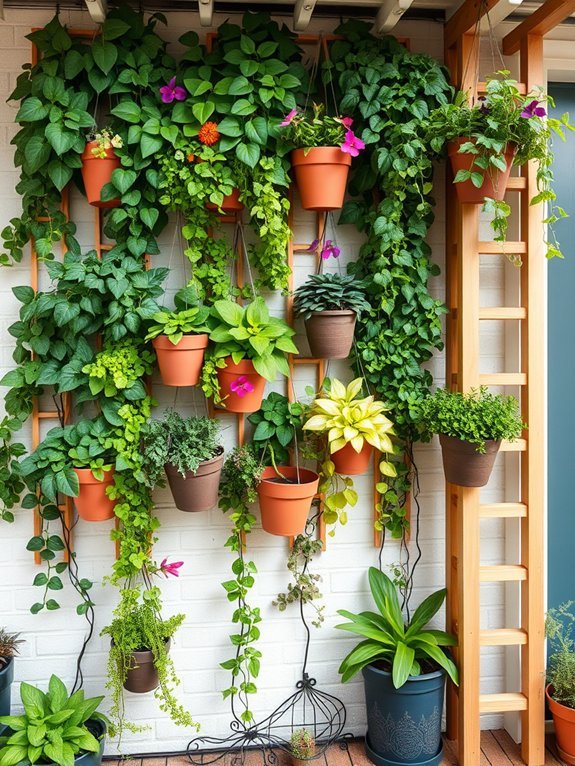
If you’re looking to maximize your small garden space, vertical gardening techniques can transform even the tiniest area into a lush, productive oasis. By utilizing walls, fences, and trellises, you can create a stunning display of greenery without sacrificing precious ground space. Consider using planters, hanging pots, or wall-mounted shelves to grow herbs, flowers, or vegetables. You might also explore vertical hydroponic systems for a space-saving solution. Choose climbing plants like peas, tomatoes, or cucumbers that naturally ascend, providing both aesthetics and yield. With a little creativity and the right materials, you can achieve a vibrant vertical garden that not only enhances your outdoor environment but also fosters a sustainable growing practice. Enjoy the charm and utility this method brings to your garden!
Container Gardening Options
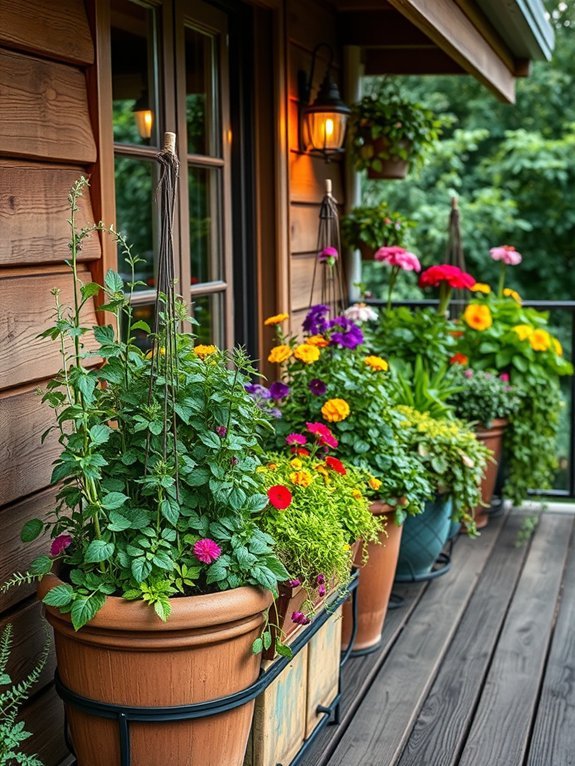
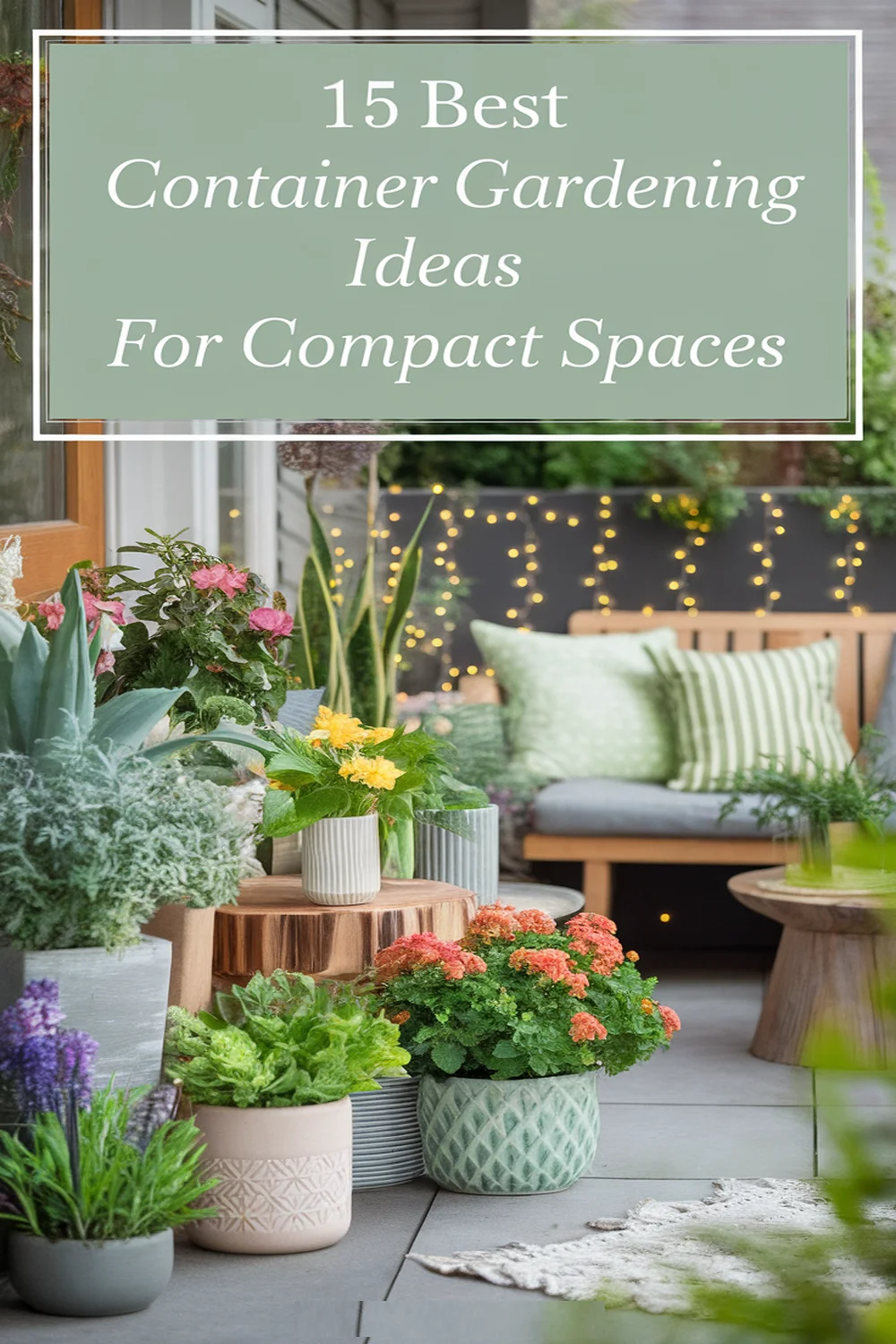
Vertical gardening can beautifully complement your overall design, but container gardening options offer even more versatility for small spaces. By incorporating a variety of containers, you can grow everything from herbs to vegetables right outside your door. Choose pots with different heights and materials to add visual interest while maximizing sunlight exposure. Consider using self-watering containers to reduce maintenance and guarantee consistent moisture. You can also group smaller pots together for a striking arrangement or use larger containers to create focal points. Don’t forget to utilize vertical space by hanging planters or using shelves. With the right containers, you’ll not only beautify your garden but also cultivate a thriving edible oasis that fits perfectly in your limited space.
Utilize Raised Beds
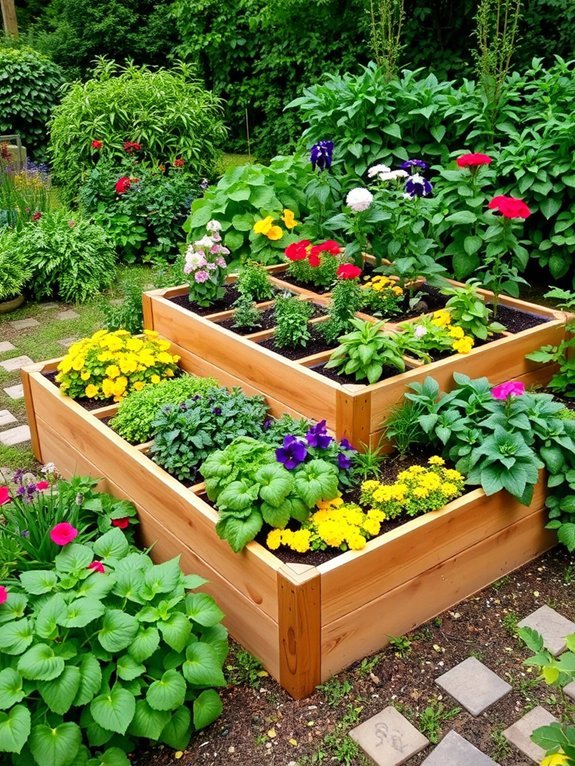
Utilizing raised beds can greatly enhance your small garden’s productivity and aesthetics. These elevated structures improve drainage and soil quality, allowing you to plant a variety of crops more efficiently. You’ll also find they reduce soil compaction, making it easier for roots to grow. Raised beds can be constructed from wood, metal, or stone, providing a visually appealing element to your garden.
Grow Up, Not Out
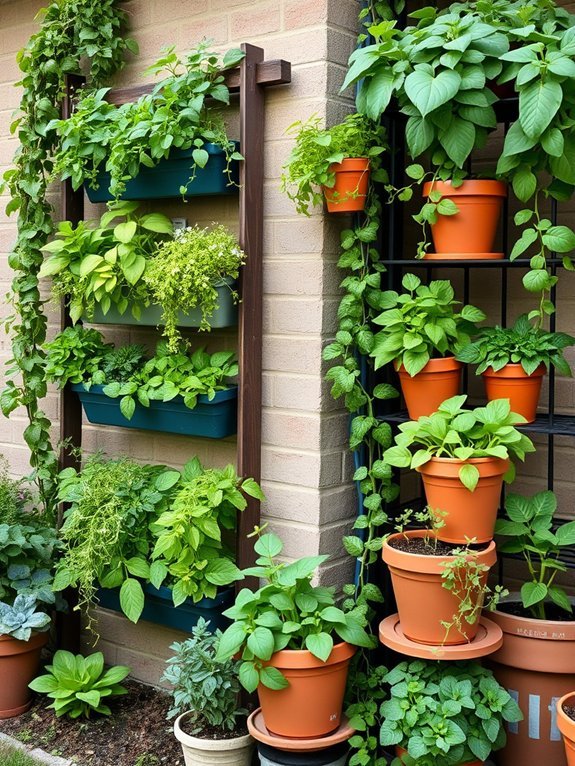
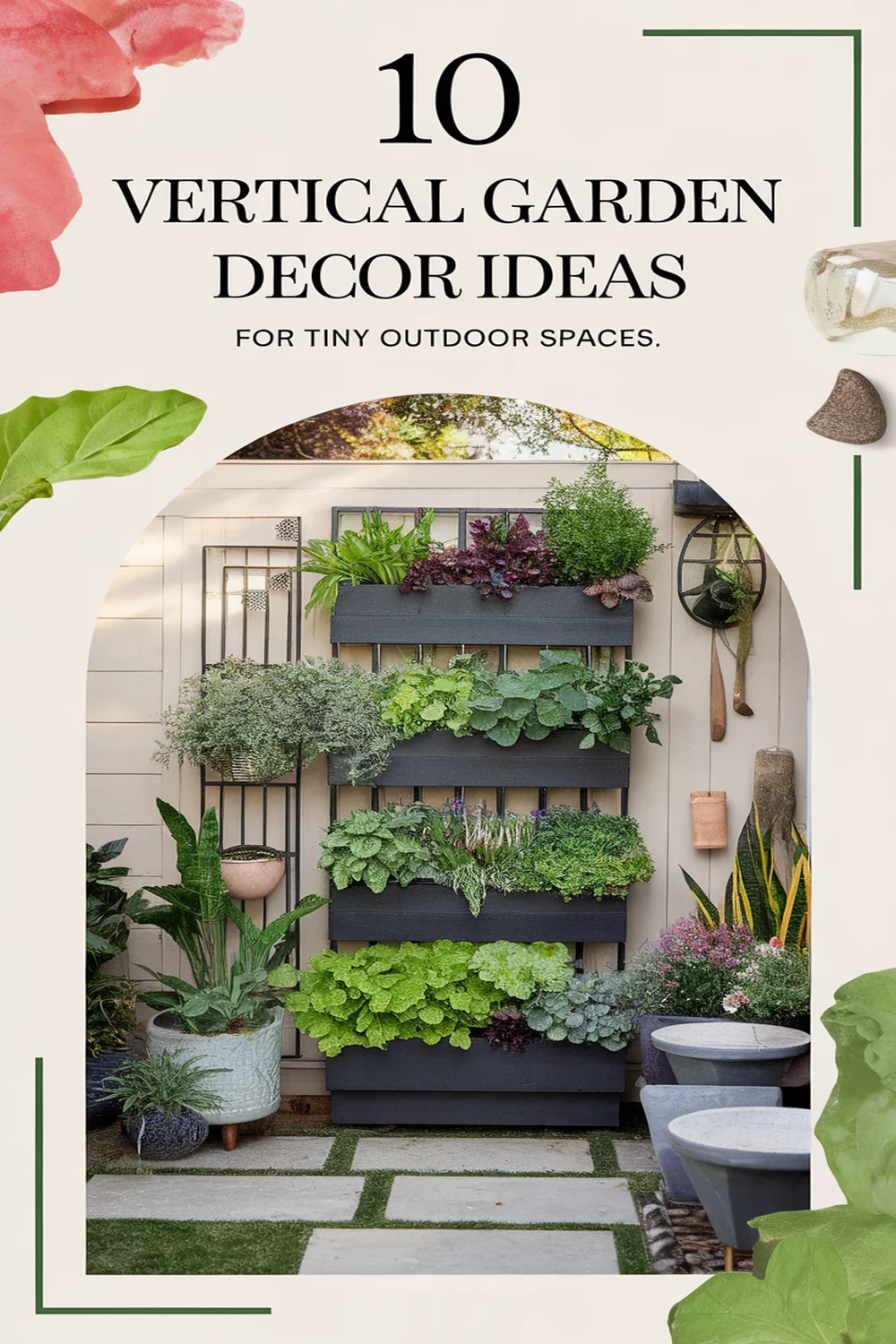
Expanding your growing space vertically can transform your small garden into a productive oasis. Use trellises, arbors, and vertical planters to make the most of your limited area. Climbing plants, like cucumbers and peas, thrive on these structures, freeing up ground space for other crops. Don’t forget about hanging pots; they’re perfect for herbs or strawberries, adding greenery at eye level. You can also create a vertical herb garden using wall-mounted shelves or pockets for easy access. Consider building a vertical garden with repurposed materials, like wooden pallets, to add rustic charm while growing more. By maximizing vertical space, you’re not just growing upwards; you’re enhancing your garden’s aesthetics and productivity. Embrace height, and watch your small garden flourish!
Companion Planting
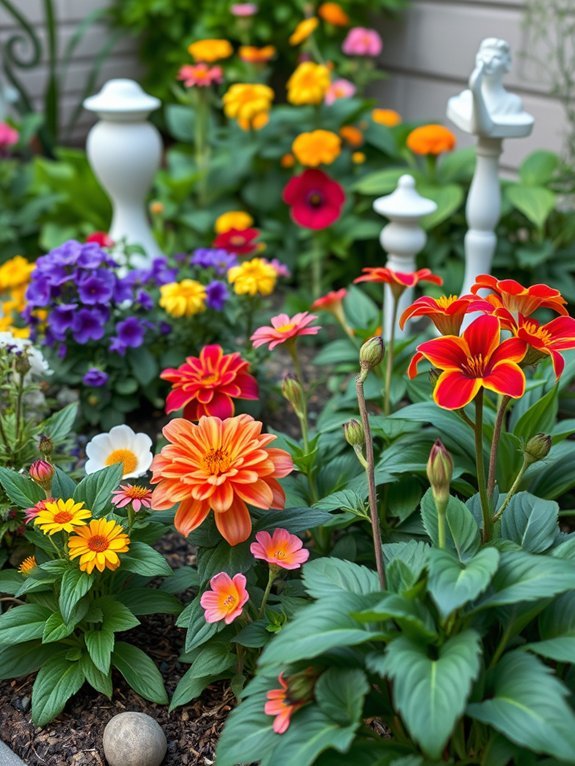
While it might seem counterintuitive to plant certain crops close together, companion planting can greatly enhance your small garden‘s health and productivity. By strategically choosing plant pairs that support each other, you can naturally deter pests, improve growth, and maximize your space. For instance, growing tomatoes with basil not only boosts flavor but also repels harmful insects. Meanwhile, pairing carrots with onions helps deter carrot flies.
You can also incorporate legumes like peas to fix nitrogen in the soil, benefiting neighboring plants. When planning your garden layout, consider how these relationships can create a balanced ecosystem. Implementing companion planting helps you cultivate a thriving garden while making efficient use of every inch of your limited space.
Optimize Sunlight Exposure
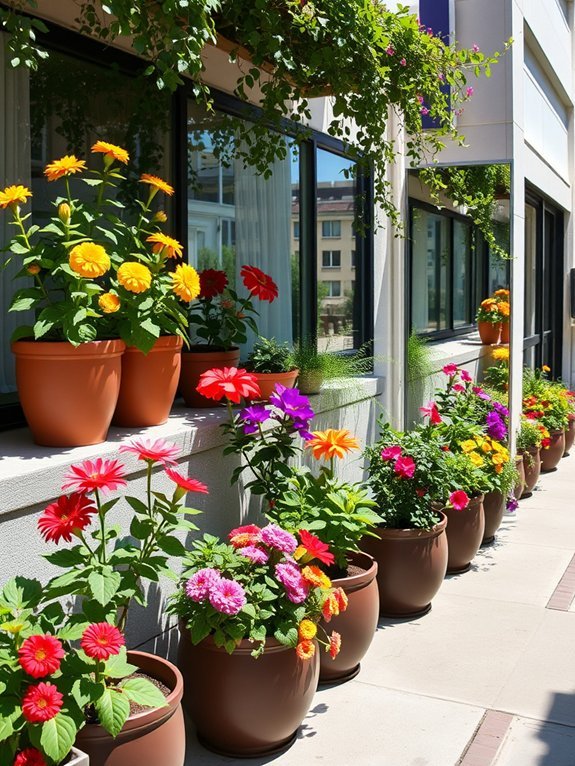
To make the most of your small garden, it’s essential to optimize sunlight exposure for your plants. Start by evaluating how sunlight hits your garden throughout the day. Observe shadow patterns cast by nearby structures or trees. Position taller plants in the back and shorter ones in front to guarantee they all receive adequate light.
Here’s a simple guide to help you plan your layout:
| Plant Type | Sunlight Requirement |
|---|---|
| Tomatoes | Full sun (6-8 hours) |
| Lettuce | Partial shade (4-6 hours) |
| Basil | Full sun (6-8 hours) |
| Spinach | Partial shade (4-6 hours) |
Using this information, you can arrange your plants effectively, ensuring each one gets its needed sunlight and thrives in your garden.
Implement Succession Planting
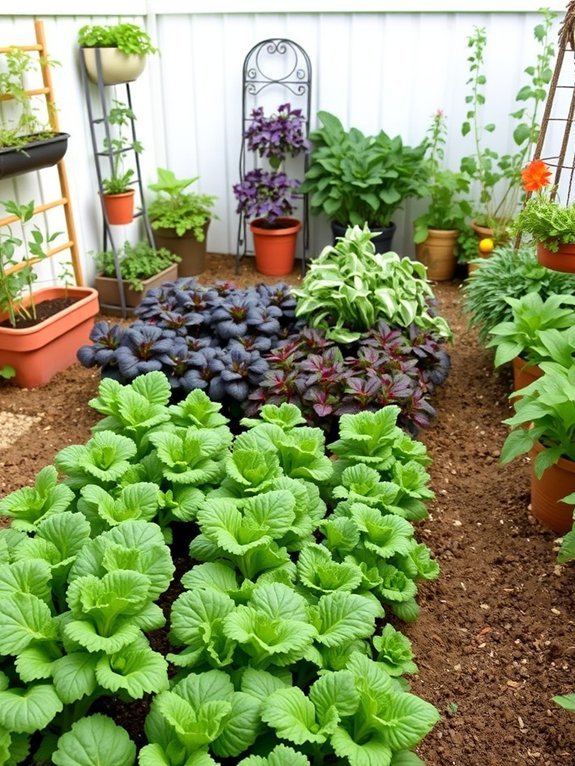
Implementing succession planting can greatly increase your yield in a small garden, allowing you to make the most of your available space and time. By planting crops at intervals, you’ll guarantee a steady harvest throughout the growing season. Start by choosing quick-growing vegetables like radishes or lettuce, which can be sown every few weeks. Once you harvest a crop, immediately plant another in its place. This method maximizes your garden’s productivity, reduces empty space, and keeps your soil active. You’ll also benefit from fresher produce and diverse flavors. Be certain to plan your planting schedule based on the growth rates of your chosen varieties, and watch your small garden thrive with a continuous supply of fresh vegetables.
Use Space-Saving Furniture
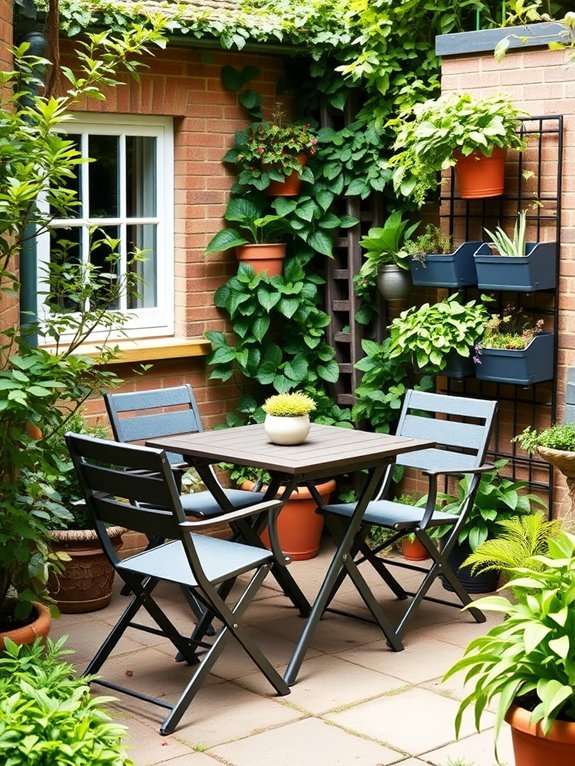
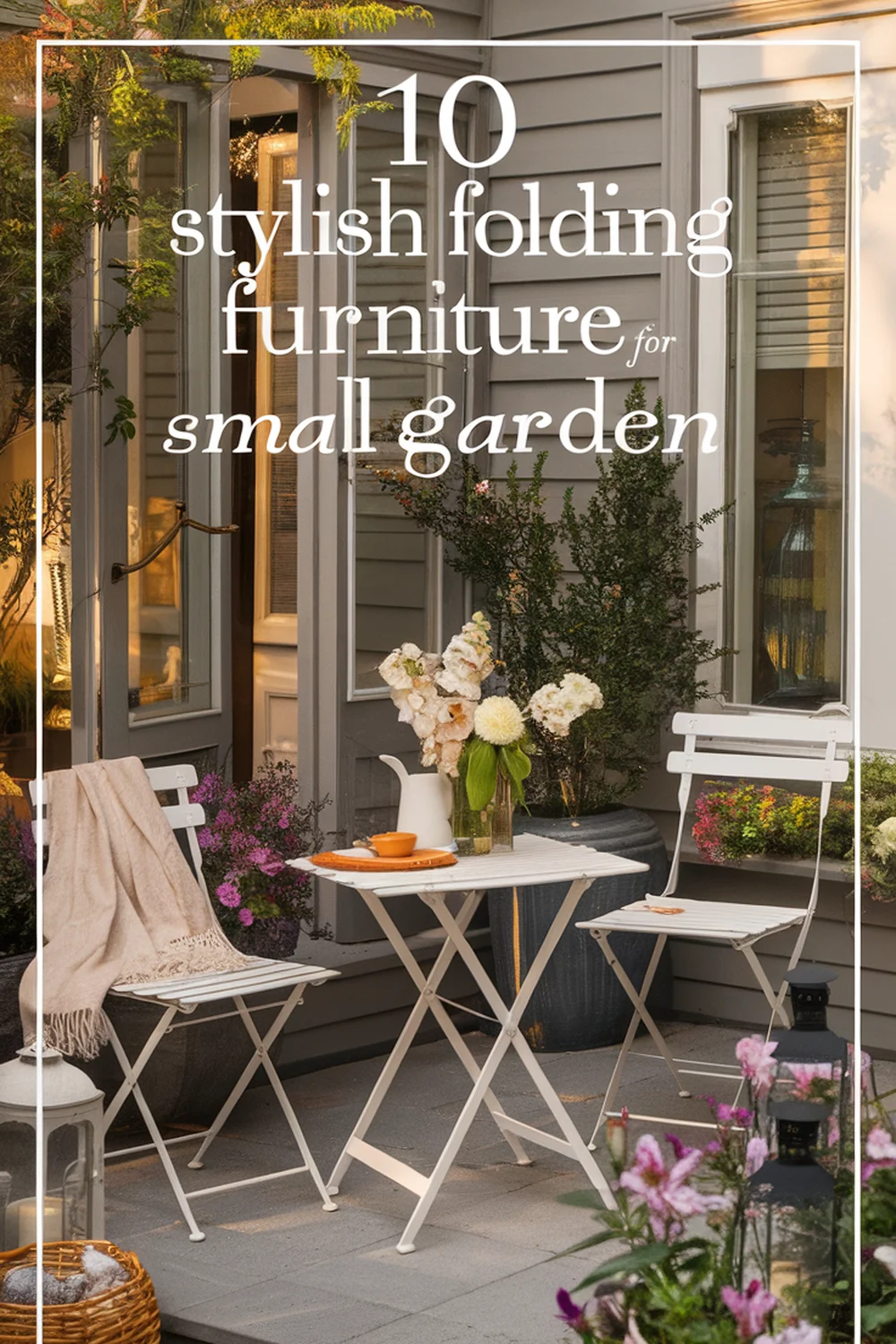
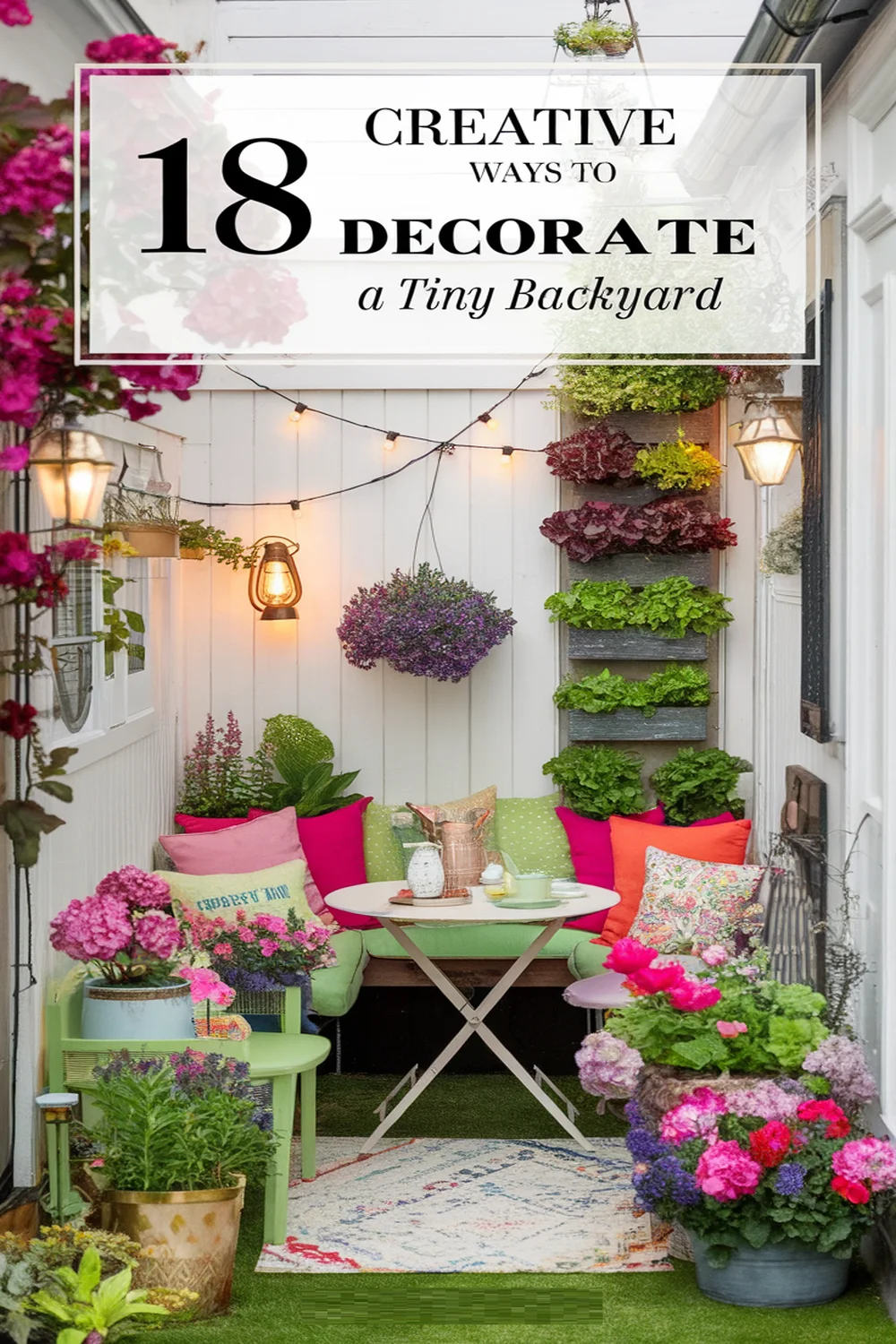
After maximizing your yield through succession planting, you can further enhance your small garden’s potential by incorporating space-saving furniture. Opt for foldable chairs, bistro tables, or built-in benches that can be easily stored when not in use. This not only frees up space for your plants but also creates a cozy atmosphere for relaxation.
| Furniture Type | Benefits |
|---|---|
| Foldable Chairs | Easy storage, versatile |
| Hanging Planters | Saves ground space |
| Compact Tables | Ideal for small meals |
| Built-In Benches | Provides seating, saves space |
Create Garden Paths
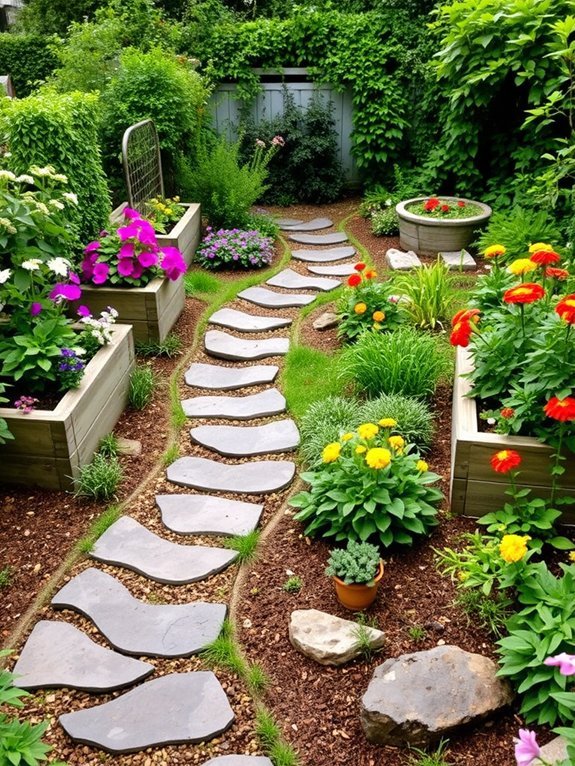
Creating well-defined garden paths can dramatically improve both the functionality and aesthetics of your small garden. By strategically placing paths, you’ll enhance accessibility, ensuring you can reach every plant without trampling delicate soil. Consider using materials like gravel, stepping stones, or reclaimed wood for a rustic charm that aligns with your garden’s style. Pathways can also create visual flow, guiding the eye through your space while breaking up areas of dense planting. To maximize space, make your paths narrow; this leaves more room for planting. Finally, incorporate curves instead of straight lines to add intrigue and soften the overall look. With a little planning, your garden paths will become essential elements that elevate the beauty and usability of your small outdoor haven.
Incorporate Edible Landscaping
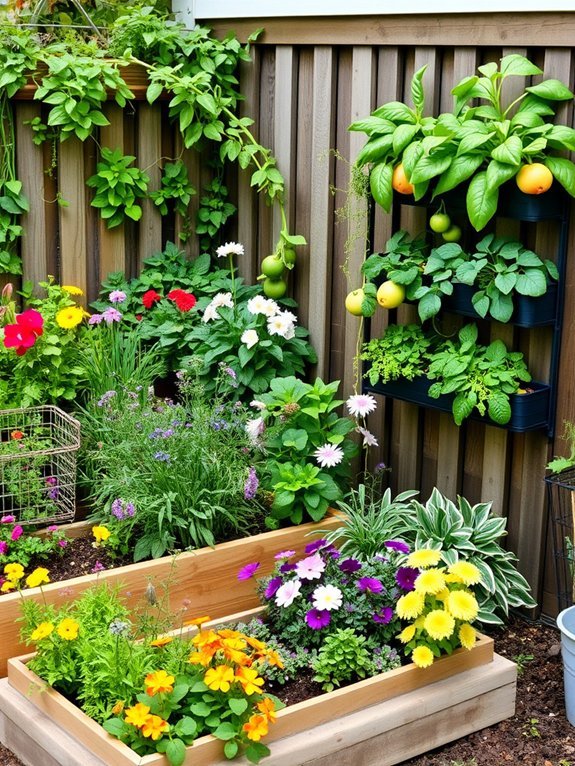
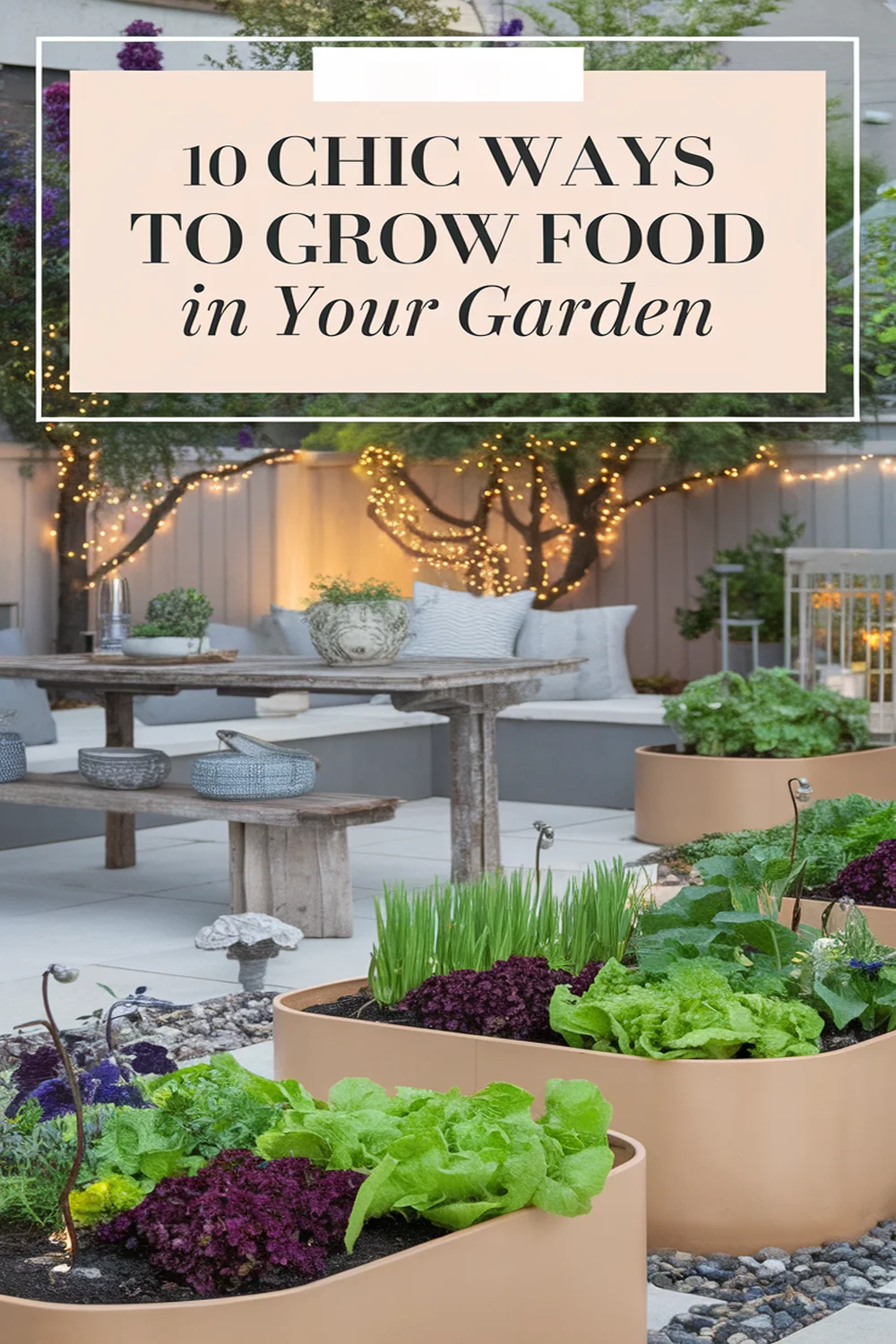
In small gardens, there’s often an opportunity to blend beauty with functionality through edible landscaping. Consider incorporating fruits, vegetables, and herbs throughout your design. For instance, plant berry bushes along trellises or choose dwarf fruit trees to maximize vertical space. Mixing colorful veggies like purple carrots and red leaf lettuce not only enhances visual appeal but also encourages healthy eating.
Herbs like basil, rosemary, and thyme can thrive in smaller areas and add aromatic charm. Ground-covering edibles, such as strawberries or creeping thyme, can replace traditional lawn grass, minimizing maintenance. You’ll be surprised how many edible plants can coexist with ornamental ones, providing a lovely and productive oasis. Embrace this approach, and you’ll harvest both beauty and bounty from your garden.
Install Hanging Planters
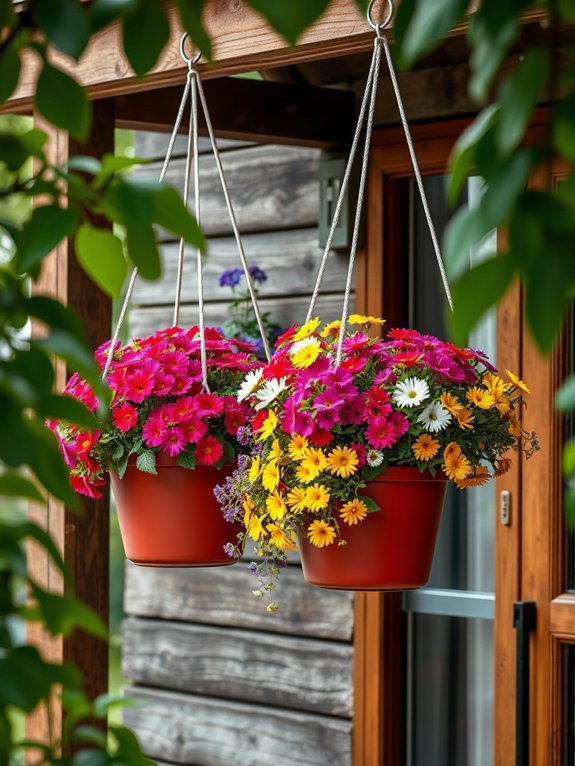
Integrating hanging planters into your small garden can take your edible landscaping to new heights—literally. These clever additions not only save ground space but also create stunning visual interest. You can grow herbs, strawberries, or even cherry tomatoes in these versatile planters.
Here’s a simple guide to help you choose your hanging planters:
| Type | Benefits | Best Plants |
|---|---|---|
| Wire Basket | Affordable | Herbs |
| Wooden Crate | Rustic look | Strawberries |
| Fabric Pouch | Space-saving & breathable | Cherry Tomatoes |
| Vertical Wall | Maximizes vertical space | Mixed Greens |
Maximize Walls and Fences
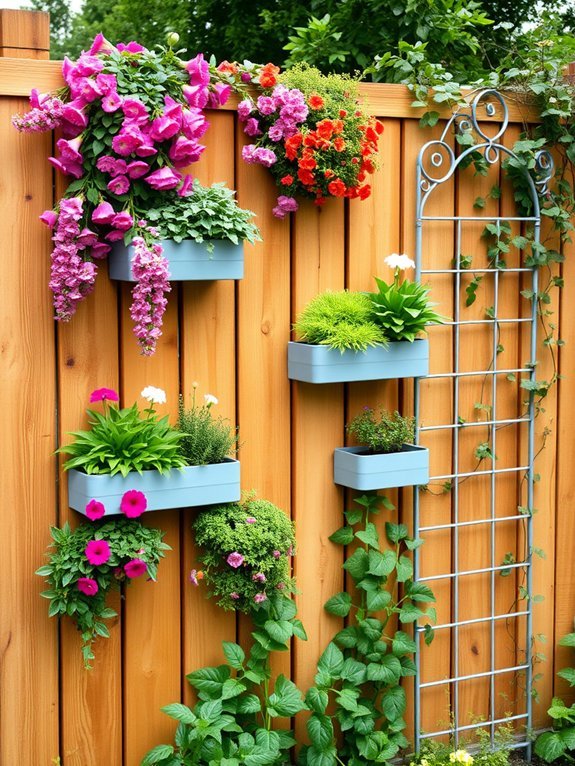
Walls and fences can serve as valuable assets in your small garden, providing not just structure but also opportunities for vertical gardening. By using these vertical spaces, you can cultivate an array of plants that elevate your garden’s overall appeal. Here are some practical ways to maximize these areas:
- Trellises and Lattice: Attach trellises or lattice panels to support climbing plants like beans or cucumbers.
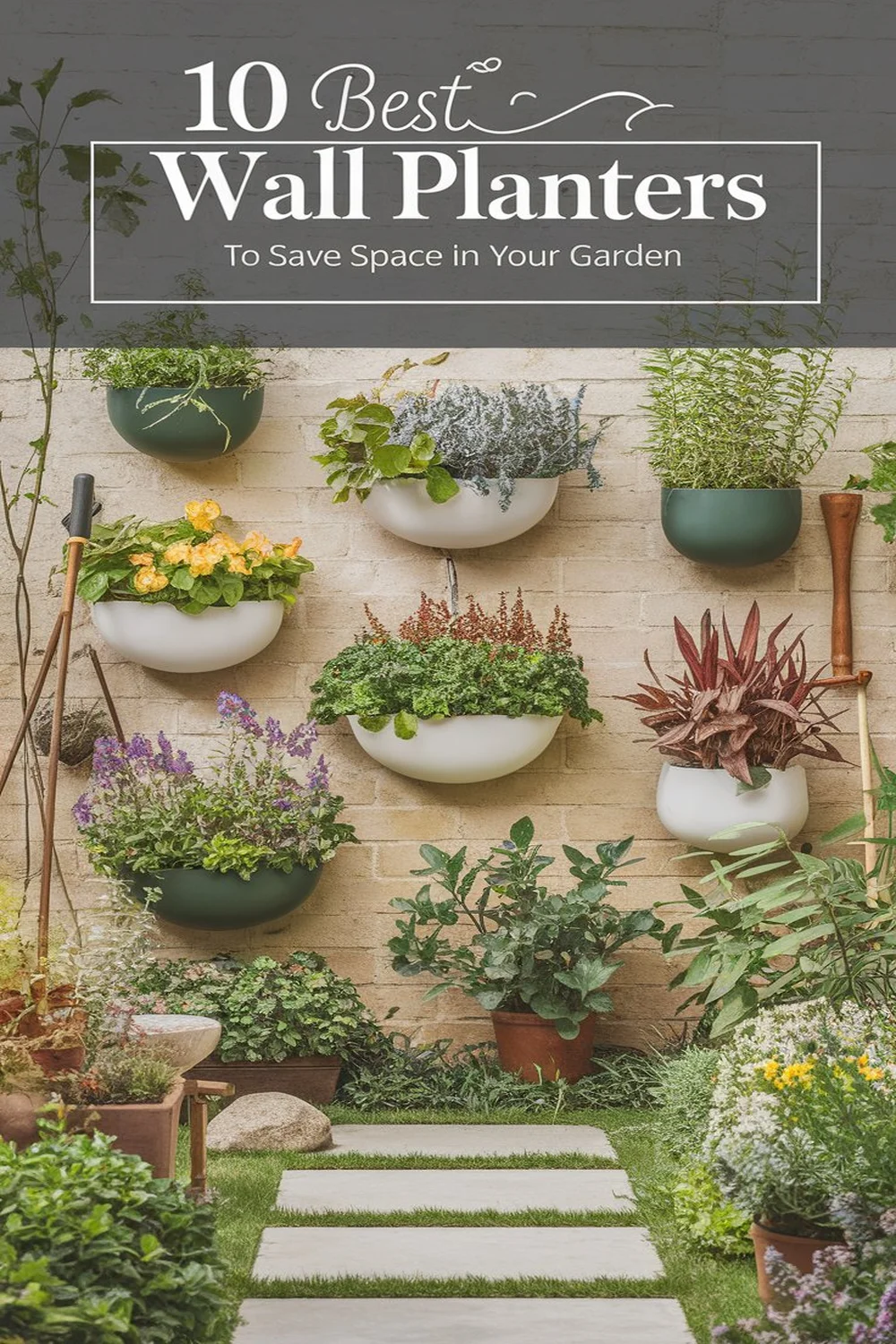
- Wall Planters: Install wall-mounted planters for herbs, flowers, or succulents to free up ground space.
- Hanging Baskets: Hang baskets from fences or walls to add layers and dimension to your garden.
Recommended Items
Discover our top product and equipment recommendations to enhance your small garden—let’s get started!
Use Multi-Purpose Pots
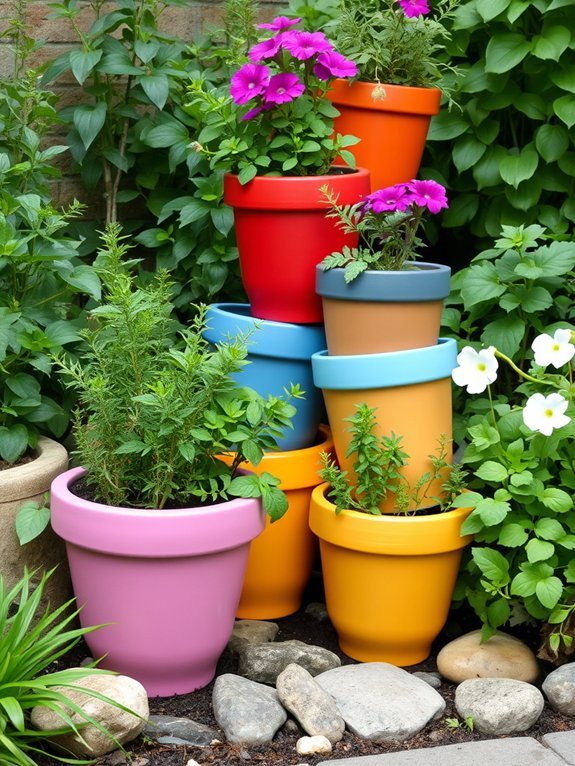
Multi-purpose pots are a game-changer for small garden enthusiasts looking to maximize every inch of space. These versatile containers can house a variety of plants, allowing you to creatively combine flowers, herbs, and vegetables. By grouping plants with similar care requirements, you can make the most of your available area while adding visual interest.
Consider using pots with built-in drainage solutions or stacking capabilities to enhance functionality. You might also choose self-watering pots to reduce maintenance and guarantee your plants thrive throughout different seasons. Don’t forget to think vertically—hanging multi-purpose pots can create eye-catching displays without taking up precious ground space. By incorporating these strategic choices, you’ll elevate your garden’s aesthetics and productivity simultaneously.
Implement a Crop Rotation Plan
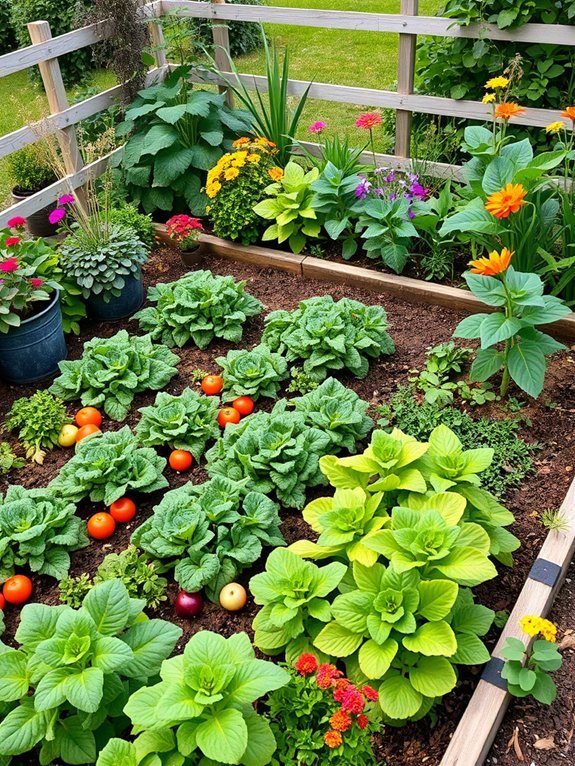
When you implement a crop rotation plan, you’re not just promoting healthier soil; you’re also enhancing the overall productivity of your small garden. By rotating your crops, you can prevent pest buildup and nutrient depletion, leading to better yields. Here are some key benefits of crop rotation:
- Improved Soil Fertility: Different plants have varying nutrient requirements, and rotating them lets you manage soil nutrients more effectively.
- Pest and Disease Control: Changing the location of crops disrupts pest life cycles, reducing infestations.
- Weed Management: Alternating crops can outcompete weeds and lessen their impact on your garden.
Plan your rotation carefully, and keep track of what you plant where. Your small garden will thrive, and you’ll enjoy bountiful harvests season after season.
Task Overview: Garden Decor Ideas
Create a Vertical Herb Garden
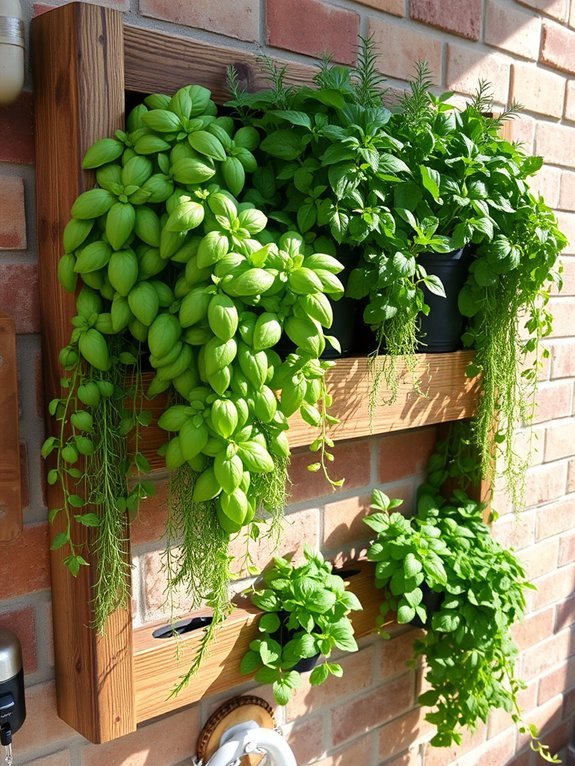
Transform your garden space and bring the aroma of fresh herbs to your kitchen by creating a vertical herb garden. This innovative approach maximizes limited space while offering easy access to your favorite culinary herbs. Start by choosing a suitable wall or trellis, and use wall-mounted planters or pocket systems to hold your herbs. Opt for easy-grow varieties like basil, parsley, and chives. Confirm your setup gets plenty of sunlight and add a drip irrigation system for efficient watering. With vertical gardening, you not only save ground space, but you also create a stunning visual display. Plus, having fresh herbs at your fingertips enhances your cooking and encourages you to experiment with new flavors. Get started today!
Choose Dwarf Plant Varieties
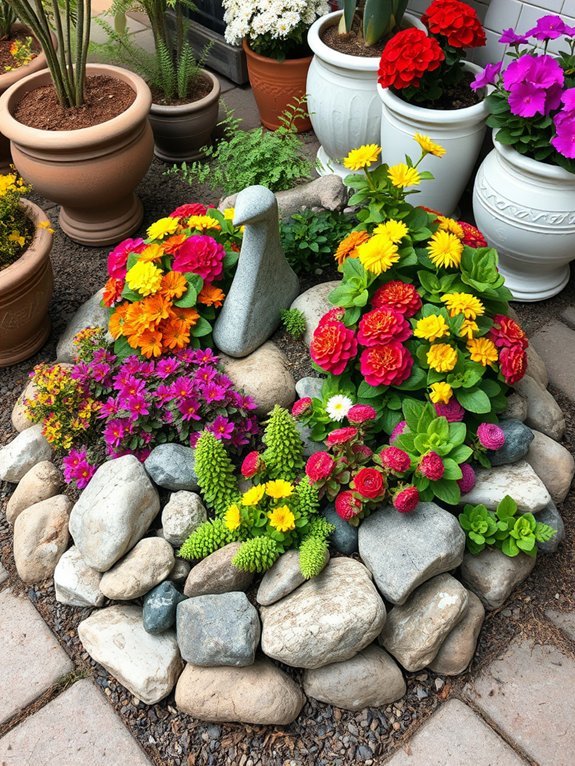
If you’re looking to maximize your small garden, choosing dwarf plant varieties can make all the difference. These compact plants not only save space but also add charm and functionality to your garden. They fit neatly into tight corners or can be used in containers, allowing you to grow more in less area.
Consider the following benefits of dwarf varieties:
- Space Efficiency: They require less room, making it easier to fit multiple plants in tight spots.
- Easy Maintenance: Dwarf plants often demand less upkeep than their full-sized counterparts.
- Aesthetic Appeal: Their proportions create a balanced look, enhancing your garden’s design.
Create a Mosaic of Color
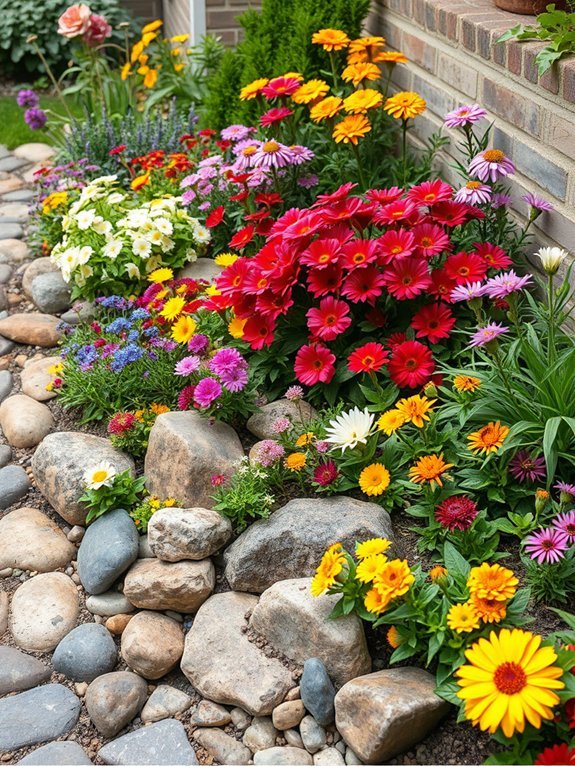
Incorporating dwarf plant varieties sets the stage for a vibrant display, allowing you to create a mosaic of color that enlivens your small garden space. Choose a mix of flowering plants, such as pansies, petunias, and marigolds, which blossom in an array of hues. Layer different colors with height variations; this adds depth and visual interest. Consider planting compact shrubs or low-growing perennials to anchor the design. Don’t forget to add contrasting foliage—think variegated or deep purple leaves—that will enhance the vibrant blooms. Use containers or vertical planters to optimize space while maintaining that colorful harmony. By carefully planning your color scheme and plant placement, you’ll cultivate a stunning, lively tapestry that invites admiration year-round.
Incorporate Native Plants
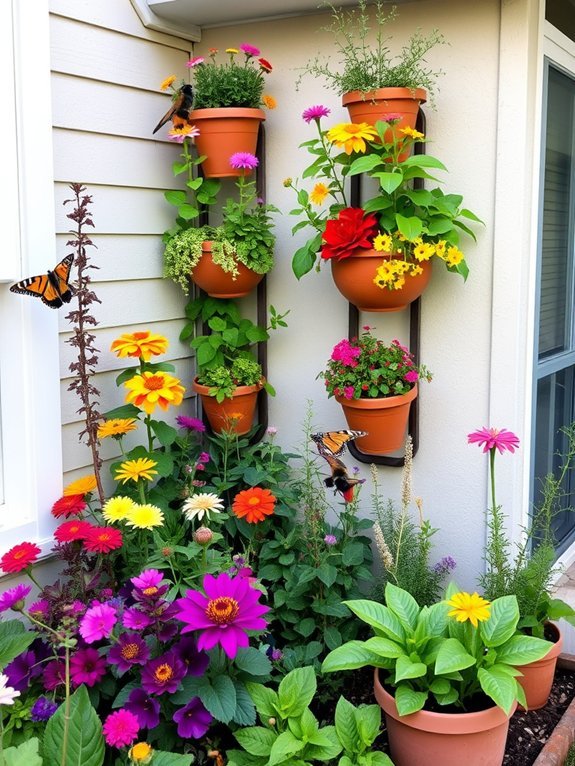
Native plants are a fantastic choice for small gardens since they’re well-adapted to the local climate and soil conditions. By choosing native species, you not only support local ecosystems but also reduce maintenance time and costs. These plants typically require less water and fewer pesticides, making them a sustainable option for your space.
Here are three key benefits of incorporating native plants:
- Biodiversity: Attract local wildlife, including pollinators and beneficial insects.
- Low Maintenance: Thrive with minimal care once established, allowing you to enjoy your garden without constant upkeep.
- Seasonal Interest: Provide year-round beauty with varied blooms and foliage, enhancing your garden’s appeal.
Design an Outdoor Living Space
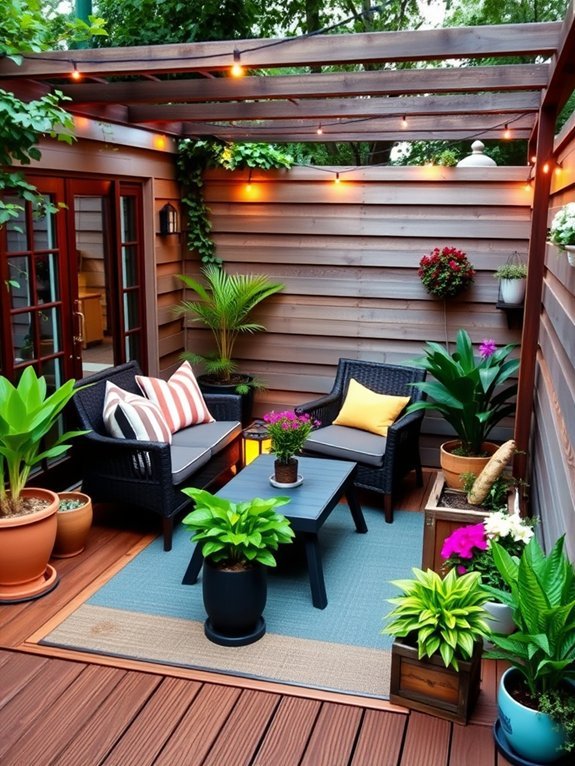
Creating an outdoor living space can elevate your small garden from merely a collection of plants to a vibrant area for relaxation and entertainment. Consider strategic seating arrangements with comfortable furniture to invite friends and family over.
| Element | Description |
|---|---|
| Seating | Cozy chairs or benches for gathering. |
| Lighting | Soft fairy lights or lanterns to create ambiance. |
| Accessories | Outdoor cushions and throws for comfort. |
Use Climbing Plants
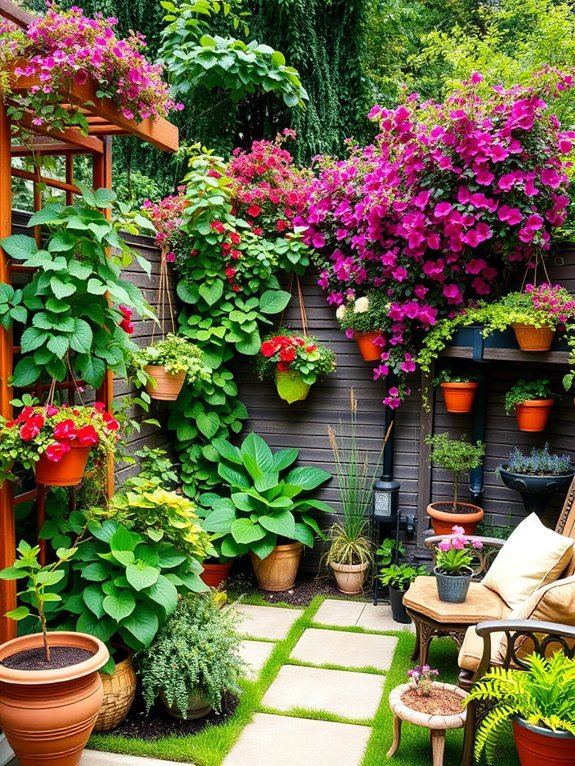
If you want to maximize vertical space in your small garden, using climbing plants is a fantastic solution. These plants not only add beauty and texture but also help you make the most of limited ground space. By training them to grow upward, you’ll create a lush, green environment without cluttering the floor. Consider these climbing plant options:
- Beans or peas: Delicious and nutritious, they’re perfect for vertical gardening.
- Clematis or honeysuckle: These provide stunning flowers and attract pollinators.
- Ivy or climbing roses: Excellent for adding a classic touch to walls and trellises.
Incorporate climbing plants into your garden plan to enhance aesthetics and maximize functionality, turning every inch of your space into a vibrant oasis.
Build a Compost Bin
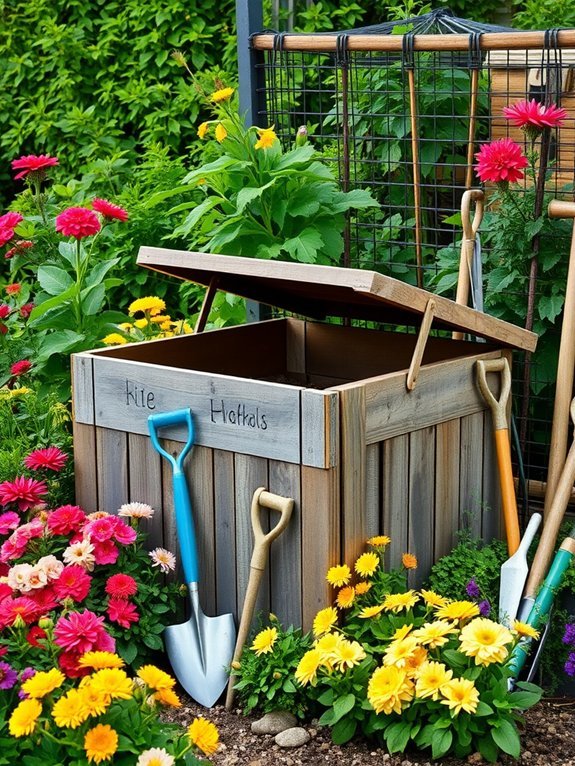
Building a compost bin can greatly enhance the sustainability of your small garden while providing nutrient-rich soil for your plants. Start by selecting a location that’s easily accessible and has good drainage. You can build your bin using wooden pallets, wire fencing, or any sturdy materials you have on hand. Keep it at least 3 feet wide to allow for proper aeration. Fill your bin with a mix of green materials, like kitchen scraps, and brown materials, such as dried leaves. Turn the compost every few weeks to speed up the decomposition process. In no time, you’ll have dark, crumbly compost that enriches your soil, reduces waste, and helps your garden thrive. Plus, it’s eco-friendly!
Plan for Seasonal Changes
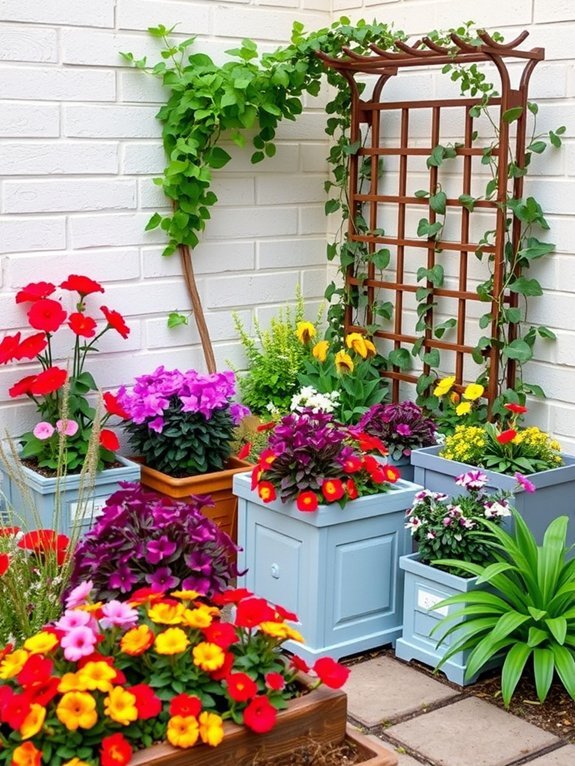
As seasons change, so do the needs of your small garden, and it’s essential to plan accordingly to guarantee your plants thrive year-round. You can assure a vibrant garden by considering the seasonal shifts in weather, light, and plant requirements.
- Select seasonal plants: Choose flowers and vegetables that bloom or grow best during specific times.
- Adjust your planting schedule: Timing is key; schedule your sowing and harvesting to match the seasons.
- Protect against elements: Use row covers or mulch to shield tender plants from frost and retain soil moisture during dry spells.